Wardogs Is a Completely Different Game Now With Season 2 Rain Changing Every Fight
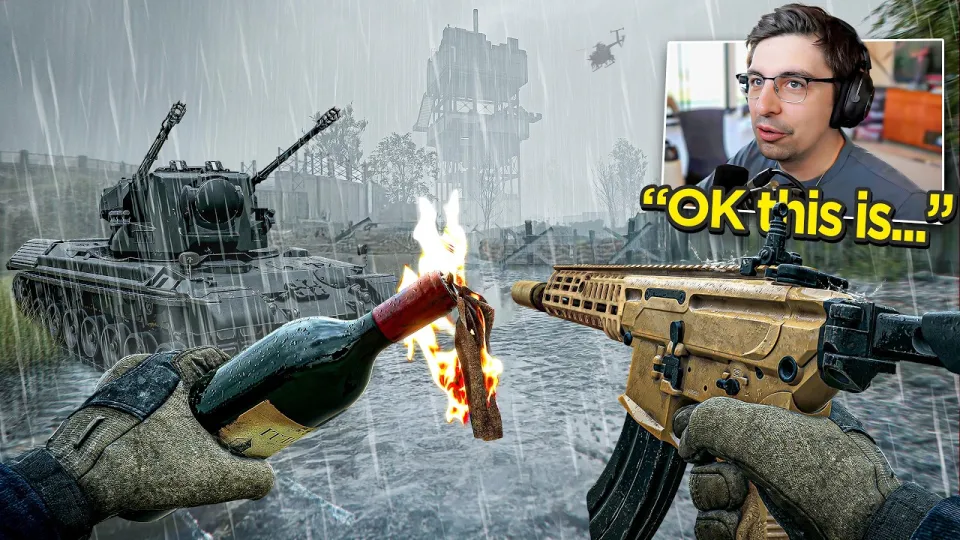
Video: Wardogs Is a Completely Different Game Now...
Want articles like this for your own video to promote it on YouTube and Google? Order them through the Telegram bot @sat_sit_bot. Articles with your video embedded are written and posted by the bot itself — on popular topical sites (no ads). Your first 50 articles are free.
· based on the channel shroud
Wardogs is a completely different game now because Season 2 added heavy rain as a dynamic weather condition, and that single change reshapes how every fight plays out. Visibility drops, sniping loses its edge, and close-quarters aggression with the right ammo becomes the winning play. You can follow the full squad session through the Spotify show page for shroud's content, but the practical takeaways are below.
What the Wardogs Season 2 rain actually changes
The rain is not a cosmetic overlay: it is a systemic modifier that reduces how far you can see and how reliably you can land shots at distance. Players report that even around 190 meters the target becomes hard to resolve, which effectively deletes the long-range sniper role on open ground. In exchange, the map's interiors, towers and bridges become the real battlegrounds, because everyone is forced into the same compressed space.
Key effects to plan around:
- Reduced sightlines — anything past roughly 190 meters is a guess, so stop building loadouts around scoped rifles.
- Forced rotation into cover — compounds, towers and bridges turn into contested chokepoints rather than optional routes.
- Weather-aware gear — infrared goggles gain value because they cut through the visual noise the storm creates.
- Helicopter travel is riskier — rain on the windshield genuinely obscures the pilot's view, so low-altitude insertions get dicier.
How to adapt your loadout and positioning in the storm
Adapting to rain means trading reach for stopping power and moving from open ground into structures before the first shot lands. The most common mistake is keeping a sniper-oriented kit and then dying while repositioning in the open.
- Swap the scope for a close-range primary. SMGs and assault rifles with good handling win the reduced-visibility fights.
- Carry HP ammo and use it correctly. Hollow-point rounds punish armored opponents, but only if you hit the legs — the unarmored part of the hitbox.
- Pack magazines before contact, not during it. Repacking mid-fight, especially while dropping into a building, is how players die to the enemy they already know is inside.
- Use grenades to open rooms. With visibility down, sound and fragmentation matter more than a clean angle.
- Push through interiors, not around them. Rain makes exterior flanks slow and exposed.
The ammo lesson everyone keeps relearning
The single most repeated failure in rainy lobbies is shooting an armored target in the chest with hollow-point rounds and concluding the gun is bad. HP ammo does its work against armor only when it hits limbs, and the legs are the largest reliable target. Players who call out "shoot the legs" and then empty a magazine into the torso are not fighting the weapon — they are fighting their own habit.
The PP-19 is the clearest example: once the shooter actually switches to leg shots, the same weapon that felt useless starts dropping targets. Treat this as a drill, not a tip. Before you blame a gun's damage model, check where your crosshair was.
Squad communication beats raw numbers
A group of six players in one voice channel with clean callouts will usually beat a larger, disorganized crowd, and rain amplifies that gap. When nobody can see far, information becomes the most valuable resource on the map: who is in which building, which direction the shots came from, whether a bridge is being watched.
Practical habits for rainy sessions:
- Assign one caller per engagement so the channel does not turn into noise.
- Report buildings by name or landmark, not by "over there."
- Announce reloads and repacks so teammates cover your gap.
- Resist the urge to push solo into a structure you were just shot from — that is how the known enemy gets a free kill.
Typical questions from players trying the new weather
New and returning players keep raising the same doubts about the storm, and they are worth addressing directly. The most frequent: does rain ruin sniping entirely? Largely yes on open ground, but elevated positions with short angles still work, and infrared optics restore some of the lost advantage. Does the weather change loot priorities? It shifts them toward close-range weapons, hollow-point ammunition and vision gear. Is the game harder for solos? It is harder for anyone without callouts, which is why coordinated squads feel the change most positively — the rain gives the game more room for different playstyles instead of rewarding one dominant range.
Links from the video
The verdict on Wardogs Season 2
Season 2's rain is the kind of change that resets learned habits rather than adding content on top of them: sightlines shrink to roughly 190 meters, snipers lose their dominance, and leg shots with HP ammo become the deciding skill. Players who adapt their loadout, pack magazines before contact and keep comms tight will find the storm favors them. The change has clear costs for long-range specialists, but it makes every compound fight feel earned. You can watch shroud's squad work through the new conditions in the full breakdown on his channel, and catch the companion audio via the Spotify show.
Key takeaways
- Season 2 of Wardogs introduces heavy rain as a dynamic weather condition that alters visibility across the map.
- Rain cuts effective sightlines to roughly 190 meters, making long-range sniping far less reliable.
- The PP-19 with HP (hollow-point) ammo is the go-to counter for armored targets: aim at the legs, not the torso or head.
- Infrared goggles become significantly stronger in rain because they cut through reduced visibility.
- Squad communication matters more than ever: coordinated callouts beat a larger group of uncoordinated players.
Source: Wardogs Is a Completely Different Game Now... · Markdown version
Questions & answers
Does the rain in Wardogs Season 2 make sniping useless?
It heavily reduces the value of long-range rifles on open ground, since targets become hard to see even around 190 meters. Elevated positions with short angles still work, and infrared goggles help recover some visibility. Most players are better off switching to a close-range primary.
Why does my HP ammo feel weak against armored enemies?
Hollow-point rounds punish armor when they hit limbs, not the chest or head. Aim at the legs, which are the largest unarmored target. If you keep shooting the torso, the weapon will feel broken even though the ammo is doing exactly what it should.
Is it worth playing Wardogs solo in the rain?
It is harder, because the reduced visibility makes information the most valuable resource. Solos who rely on sightlines suffer most, while players who use sound, grenades and careful interior pushes can still do well. Expect more close-quarters fights and fewer long-range duels.
What gear should I prioritize when the storm hits?
Close-range weapons with good handling, hollow-point ammunition and infrared optics top the list. Pack magazines before you enter a building rather than mid-fight, and treat helicopters carefully since rain on the windshield obscures the pilot's view.